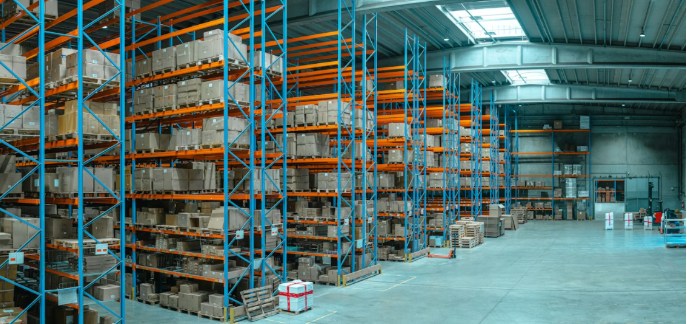
Selecting the right warehouse storage solution is critical for businesses aiming to optimize space, improve efficiency, and maintain organized inventory. Poor storage choices can lead to wasted space, damaged products, and operational delays.
With numerous options available—from shelving units to pallets and storage racks—choosing a solution requires careful consideration of your inventory type, workflow, and future growth. Understanding the key factors ensures that your warehouse operates smoothly and safely while maximizing storage capacity.
Assess Your Storage Needs
The first step in choosing a warehouse storage solution is understanding what you need to store. Consider the types of products, their size, weight, and frequency of access.
For instance, bulky or heavy items may require pallet racks or heavy-duty shelving, while smaller items may be better suited to bins or shelving systems. Evaluating your current inventory and anticipating future growth ensures that your storage system accommodates both present and evolving needs.
Consider Warehouse Layout and Space Utilization
Maximizing warehouse space is essential for efficiency. Evaluate your floor plan and ceiling height to determine the best use of vertical and horizontal space.
Solutions like high-rise pallet racking or mezzanine storage allow you to store more items without expanding your footprint. Proper aisle width and layout planning improve accessibility, reduce congestion, and support safe operation of forklifts and other equipment.
Choose the Right Type of Storage
Warehouse storage solutions vary widely, and selecting the appropriate type is key. Common options include pallet racks, shelving units, mezzanines, automated storage systems, and mobile storage containers. Each has advantages depending on your inventory, handling equipment, and workflow.
Pallet racks are ideal for bulk storage, while shelving is better for small items or picking operations. Automated systems offer speed and accuracy for high-volume warehouses but require higher initial investment.
Prioritize Accessibility and Workflow
Efficient storage solutions ensure that inventory is easily accessible and supports smooth workflow. Arrange storage based on the frequency of item movement, with fast-moving goods located near picking areas and slower-moving inventory stored in less accessible locations.
Implementing a clear labeling and inventory tracking system reduces time spent searching for products and minimizes errors in order fulfillment.
Evaluate Durability and Load Capacity
The durability and strength of storage solutions are crucial for safety and longevity. Ensure racks, shelves, and containers can handle the weight of stored items and comply with safety standards.
Heavy-duty steel shelving and reinforced racks prevent damage to products and reduce the risk of workplace accidents. Durable materials also minimize maintenance costs and extend the lifespan of your storage system.
Consider Flexibility and Scalability
Warehouse needs evolve over time, so flexibility and scalability are essential. Modular storage systems, adjustable shelving, and mobile storage containers allow you to adapt to changing inventory sizes, seasonal demands, or business growth. Flexible solutions reduce the need for costly renovations and make it easier to reorganize the warehouse as operations change.
Factor in Safety and Compliance
Safety is a critical component of warehouse storage. Ensure that all storage solutions meet regulatory standards, including fire safety, load limits, and accessibility. Proper installation, secure anchoring, and adherence to safety codes prevent accidents, protect employees, and safeguard stored goods. Incorporating safety features such as guard rails and anti-tip devices further reduces risk.
Leverage Technology for Inventory Management
Integrating storage solutions with inventory management systems improves efficiency and accuracy. Barcode scanning, RFID tracking, and warehouse management software help monitor stock levels, locate items quickly, and streamline order fulfillment. Technology-driven solutions optimize storage use, reduce errors, and enhance overall operational efficiency.
Budget Considerations
While cost is important, it should be weighed against long-term value. Investing in high-quality, durable, and flexible storage solutions often saves money over time by reducing damage, improving efficiency, and minimizing downtime. Compare options, including installation and maintenance costs, to ensure you select a solution that balances affordability with effectiveness.
