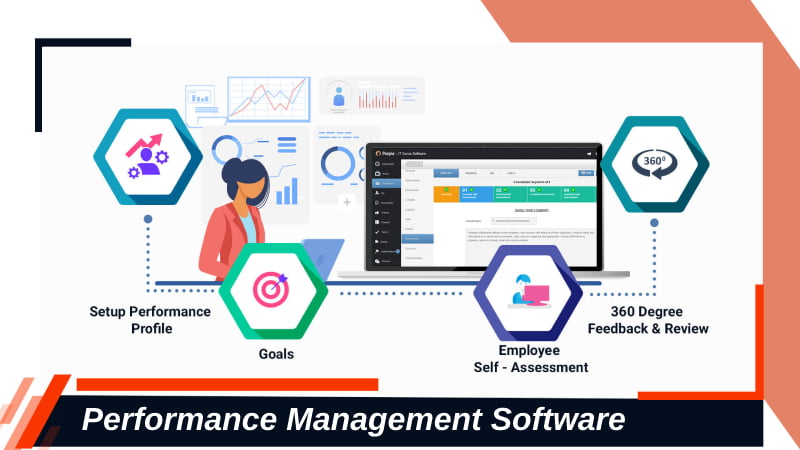
In today’s rapidly evolving business environment, companies of all sizes face the challenge of aligning employee performance with organizational goals. Traditional performance reviews—often conducted once or twice a year—are no longer enough to keep employees engaged or ensure continuous improvement. This is where Profit.Co- performance management software (PMS) plays a transformative role.
By leveraging technology, performance management software helps organizations streamline employee evaluations, track progress toward goals, provide real-time feedback, and ultimately improve productivity. Whether you run a small business or manage a large enterprise, investing in the right software can boost employee morale and drive business success.
What Is Performance Management Software?
Profit.co performance management software is a digital tool designed to help organizations monitor, assess, and enhance employee performance. Unlike manual performance review systems, these platforms provide an ongoing framework where managers and employees collaborate to set objectives, track progress, and adjust strategies when necessary.
Core features usually include:
- Goal setting and alignment– ensures employees’ objectives support organizational priorities.
- Continuous feedback and check-ins– replaces outdated annual reviews with ongoing conversations.
- Performance reviews and appraisals– streamlined, data-driven, and less biased.
- Analytics and reporting– provides insights into productivity, engagement, and development needs.
- Integration with OKRs (Objectives & Key Results)– aligns employee performance with measurable outcomes.
Why Businesses Need Performance Management Software
1. Boosts Employee Engagement
Employees thrive when they understand how their work contributes to the company’s success. PMS tools give them visibility into organizational goals and how their contributions make a difference. This transparency fosters motivation and accountability.
2. Facilitates Continuous Improvement
Instead of waiting months for feedback, employees receive real-time recognition and constructive suggestions. This approach helps them make immediate improvements and develop new skills.
3. Saves Time for Managers and HR Teams
Automating performance reviews, feedback requests, and reporting reduces paperwork and manual tracking. Managers can focus on coaching employees instead of drowning in administrative tasks.
4. Supports Remote and Hybrid Workplaces
As remote work becomes the norm, tracking performance virtually has become crucial. PMS platforms ensure that distance does not affect transparency, collaboration, or accountability.
5. Improves Retention and Talent Development
Employees who receive continuous support and recognition are more likely to stay with the company. Performance management software helps identify skill gaps and creates opportunities for professional growth.
Key Features to Look For
When choosing performance management software, consider the following must-have features:
- Customizable goal-setting frameworks(SMART goals or OKRs)
- 360-degree feedbackfrom peers, managers, and subordinates
- Employee self-assessmentsfor reflection and ownership
- Learning and development integrationfor career growth
- Mobile accessibilityfor on-the-go updates
- Data security and complianceto protect sensitive employee information
Popular Performance Management Tools in the Market
A few leading solutions include:
- co Performance Management Software– Ideal for businesses looking for OKR integration, continuous feedback, and employee engagement.
- BambooHR– A great option for small to mid-sized businesses seeking simplicity.
- Lattice– Popular for its user-friendly design and people-first features.
- 15Five– Focuses on engagement, check-ins, and recognition.
- Workday– Suited for large enterprises with advanced analytics and HR tools.
Each tool has unique strengths, so businesses should evaluate based on team size, budget, and culture.
Best Practices for Implementing Performance Management Software
- Align with Company Culture– Ensure the tool supports your existing values and workflows.
- Train Managers and Employees– Adoption is easier when everyone understands how to use the platform effectively.
- Start Small– Roll out key features first, then expand gradually.
- Encourage Continuous Use– Promote regular check-ins, updates, and feedback sessions.
- Measure Results– Use built-in analytics to evaluate improvements in engagement, retention, and productivity.
The Future of Performance Management
The future of performance management is personalized, data-driven, and employee-centric. With AI and machine learning, tomorrow’s software will predict performance trends, recommend personalized learning paths, and eliminate bias in reviews. Businesses that adopt these technologies early will gain a competitive advantage by fostering a motivated, skilled, and loyal workforce.
Final Thoughts
Performance management software is no longer a luxury—it’s a necessity for organizations aiming to thrive in a competitive market. By aligning employee goals with company objectives, providing continuous feedback, and leveraging analytics, businesses can create a culture of growth and accountability.
If your company is still relying on outdated review systems, now is the time to embrace performance management software. The right platform will not only optimize performance but also build stronger employee relationships, ensuring long-term success.
