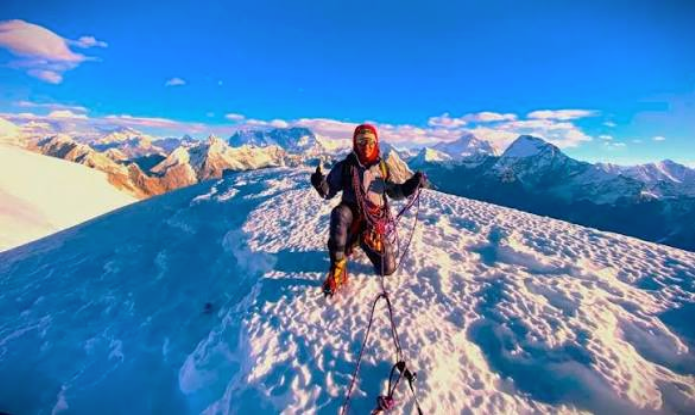
For adventure travelers, few experiences are as rewarding as standing on the summit of a mountain after days of preparation, effort, and determination. Peak Climbing combines trekking, mountaineering, and exploration, allowing climbers to experience spectacular landscapes while testing their physical and mental strength.
Among the world’s great destinations for this type of adventure, Nepal holds a special place. With its extraordinary Himalayan landscape, diverse mountain regions, and established climbing routes, Nepal Peak Climbing offers opportunities for both developing mountaineers and experienced adventurers. From accessible trekking peaks to more demanding high-altitude objectives, Nepal provides a wide range of climbing experiences.
What Is Peak Climbing?
Peak climbing involves ascending a mountain summit using a combination of trekking and mountaineering skills. Depending on the mountain and route, climbers may encounter rocky sections, snow, ice, glaciers, steep slopes, and high-altitude terrain.
Unlike ordinary hiking, climbing a peak usually requires specialized equipment and technical knowledge. Crampons, an ice axe, climbing harness, ropes, helmet, and appropriate protective clothing may be necessary depending on the route and conditions.
Peak climbing is not simply about reaching the top. The journey involves planning, physical preparation, acclimatization, route management, and the ability to make sensible decisions in changing mountain conditions.
Why Nepal Is Ideal for Peak Climbing
Nepal is home to some of the world’s most impressive mountain landscapes. The country’s Himalayan regions provide a remarkable variety of climbing opportunities, from popular trekking peaks to challenging expedition mountains.
One of the biggest advantages of Nepal Peak Climbing is the combination of trekking and climbing. Climbers can travel through traditional villages, forests, alpine valleys, and high mountain landscapes before reaching their climbing objective.
The cultural experience is another important part of the journey. Many climbing routes pass through communities where Buddhist traditions, monasteries, prayer flags, and centuries-old mountain customs remain an important part of daily life.
Popular Peaks for Climbing in Nepal
Nepal has several well-known peaks that attract climbers from around the world.
Island Peak
Island Peak, also known as Imja Tse, stands at approximately 6,189 meters in the Everest region. It is popular among trekkers and aspiring mountaineers because it combines a Himalayan trek with sections that require basic climbing skills.
The approach provides spectacular views of Everest, Lhotse, Ama Dablam, and other major Himalayan peaks.
Mera Peak
At approximately 6,476 meters, Mera Peak is one of Nepal’s best-known trekking peaks. Its remote location and high elevation make it a demanding adventure, particularly on summit day.
The journey passes through beautiful valleys, forests, and alpine landscapes before reaching the higher mountain environment.
Lobuche East
Lobuche East is another popular climbing objective in the Everest region. Its location allows climbers to combine the ascent with the famous Everest Base Camp route, creating an extended Himalayan adventure.
Other Climbing Opportunities
Depending on experience and objectives, climbers can explore a variety of other peaks across Nepal. The choice should always be based on technical ability, physical fitness, previous experience, seasonal conditions, and the requirements of the particular route.
Key Points of Peak Climbing
- Combines trekking with mountaineering
- Requires physical fitness and mental preparation
- May involve snow, ice, rock, glaciers, and steep terrain
- Specialized climbing equipment may be necessary
- Proper acclimatization is essential at high elevations
- Weather and mountain conditions can change rapidly
- Beginners should receive appropriate technical instruction
- Experienced guides can provide valuable support and local knowledge
Key Points of Nepal Peak Climbing
- Main regions: Everest, Annapurna, Langtang, and other Himalayan areas
- Popular peaks: Island Peak, Mera Peak, Lobuche East, and other climbing objectives
- Experience level: Options exist for developing and experienced climbers
- Main attractions: High mountains, glaciers, alpine landscapes, and traditional communities
- Best seasons: Spring and autumn are generally favorable for many climbing routes
- Preparation: Fitness, equipment, acclimatization, and route planning are important
- Experience: A combination of adventure, cultural discovery, and mountain exploration
Preparation for a Peak Climbing Expedition
Physical preparation is one of the foundations of a successful climbing trip. Climbers should develop cardiovascular endurance, leg strength, balance, and the ability to remain active for several hours each day.
Technical preparation is equally important for routes involving snow, ice, or steep terrain. Climbers should understand how to use essential equipment and should practice relevant techniques before facing challenging sections of the mountain.
High-altitude acclimatization must also be taken seriously. A gradual ascent with appropriate rest periods allows the body to adapt to reduced oxygen levels.
Equipment should be selected according to the mountain and season. Warm layered clothing, suitable mountaineering boots, gloves, head protection, sleeping equipment, and technical climbing gear may all be required.
Choosing the Right Peak
Not every mountain is suitable for every climber. Selecting the right peak is an important part of planning a Nepal Peak Climbing expedition.
Beginners with trekking experience may prefer a peak where they can learn fundamental mountaineering skills with professional guidance. Climbers with previous high-altitude experience may be ready for more technical or demanding objectives.
Before choosing a route, climbers should consider:
- Previous climbing experience
- Physical fitness
- Technical skills
- Maximum altitude previously reached
- Available time
- Seasonal conditions
- Route difficulty
- Required equipment
Choosing a realistic objective increases both safety and enjoyment.
Best Time for Nepal Peak Climbing
Spring and autumn are generally considered the most suitable seasons for many climbing activities in Nepal. These periods often provide favorable weather and good visibility in the mountains.
Spring is particularly attractive because temperatures become more comfortable as the season progresses. Autumn generally offers clear skies following the monsoon period.
Winter can bring severe cold and heavy snowfall at higher elevations, while monsoon conditions can create rain, clouds, and difficult approaches on many routes. Mountain conditions vary, so climbers should obtain current information before starting an expedition.
Safety and Responsible Mountaineering
Mountain safety should always be a priority. Climbers need to understand that even a trekking peak can present serious risks because of altitude, weather, cold, falling rocks, snow conditions, or changing terrain.
Working with experienced guides and climbing professionals can help climbers understand local conditions and make informed decisions. Climbers should also be prepared to turn back when conditions become unsafe. Reaching the summit should never be more important than returning safely.
Protecting the mountain environment is equally important. Climbers should minimize waste, avoid damaging vegetation, follow established routes, and leave campsites clean.
Respect for local communities and religious traditions is also essential. Many Himalayan mountains and valleys have deep cultural and spiritual significance for the people who live there.
The Reward of Reaching the Summit
A successful peak climb creates memories that extend far beyond the summit photograph. The experience of walking through remote landscapes, overcoming difficult sections, adapting to high-altitude conditions, and working with a climbing team can be deeply rewarding.
Standing at the summit and looking across a vast Himalayan panorama provides a unique sense of achievement. More importantly, the journey teaches patience, discipline, preparation, and respect for the mountains.
Conclusion
Peak Climbing offers an exciting combination of adventure, physical challenge, technical skill, and exploration. For travelers seeking an unforgettable mountain experience, Nepal Peak Climbing provides an exceptional range of opportunities across the Himalayas.
From Island Peak and Mera Peak to other challenging climbing objectives, Nepal allows adventurers to experience spectacular mountains while discovering traditional communities and remarkable landscapes. With proper preparation, acclimatization, professional guidance, and respect for the environment, peak climbing can become one of the most rewarding adventures a traveler undertakes in the Himalayas.
