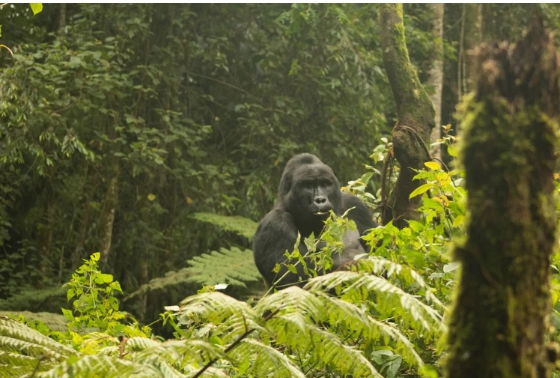
Africa offers two of the greatest wildlife experiences on Earth, and the best trips combine them. Trekking gorillas and safaris in a single journey lets you spend a misty morning with mountain gorillas, then watch lions, elephants and giraffes cross open savanna a few days later. Forest and plain, hush and thunder, intimate and expansive: together they give a fuller picture of Africa’s wild heart. This guide explains how to combine the two, which destinations work best, how to plan the route, what to pack and how to travel responsibly.
Why Combine Gorilla Trekking with a Safari?
Gorilla trekking and classic safaris are very different experiences, and each makes the other richer.
- Contrasting habitats. You move from high-altitude rainforest to open savanna, wetlands and lakes.
- Different pace. Trekking is on foot and quiet, while game drives are relaxed and vehicle-based, so the trip balances effort and rest.
- Wider wildlife. You see primates, big cats, herbivores and hundreds of bird species in one trip.
- Better value from long-haul flights. If you are already traveling far, adding a safari extends the experience without a second journey.
- Deeper conservation understanding. You see how tourism supports both forest and savanna ecosystems.
Best Destinations for Gorillas and Safaris
Uganda
Uganda is the strongest all-in-one choice. Bwindi Impenetrable National Park and Mgahinga offer gorilla trekking, while Queen Elizabeth National Park provides savanna game drives, the Kazinga Channel boat cruise and the tree-climbing lions of Ishasha. Kibale Forest adds chimpanzee tracking, and Murchison Falls combines wildlife with the Nile’s dramatic waterfall. Permit and park fees are generally lower than in some neighboring countries, and distances between parks are manageable with planning.
Rwanda
Rwanda is compact and efficient. Volcanoes National Park offers gorilla trekking and golden monkey tracking, Nyungwe Forest adds chimpanzees and a canopy walkway, and Akagera National Park delivers savanna game drives and boat safaris with lions, elephants, giraffes, hippos and rhinos. Short transfers make it ideal for shorter itineraries, though gorilla permit prices are generally higher.
Kenya and Tanzania with a Primate Extension
Many travelers add gorillas to a classic East African safari. After the Maasai Mara or the Serengeti, a short flight to Kigali or Entebbe connects you to gorilla country. This combination pairs the Great Migration, seen in the right season, with primate trekking.
Southern Africa
Botswana, Zambia and South Africa offer exceptional safaris but no mountain gorillas, so combining them requires a longer, multi-country trip. Some travelers do it, though flights and costs increase.
Sample Itineraries
7-Day Rwanda Gorillas and Savanna
- Day 1: Arrive in Kigali.
- Days 2 to 3: Volcanoes National Park, with gorilla trekking and optional golden monkey tracking.
- Day 4: Transfer toward Akagera.
- Days 5 to 6: Game drives and a boat safari in Akagera.
- Day 7: Return to Kigali and depart.
8-Day Uganda Primates and Big Game
- Day 1: Arrive in Entebbe.
- Day 2: Drive toward Kibale.
- Day 3: Chimpanzee tracking.
- Days 4 to 5: Queen Elizabeth National Park for game drives and the Kazinga Channel.
- Days 6 to 7: Bwindi for gorilla trekking.
- Day 8: Return or fly to Entebbe.
10 to 12-Day Grand East Africa
- Combine Kenya or Tanzania for the savanna and migration, then add Uganda or Rwanda for gorillas. Domestic or regional flights save time.
Road journeys can be long and bumpy, so build in rest days or use fly-in options when time is short.
How Gorilla Trekking Works
- Morning briefing. Rangers explain the rules and assign you to a gorilla family. Groups are limited to eight visitors per family per day.
- The hike. Trackers lead you through forest, bamboo or farmland. It can take from about 30 minutes to several hours, often over steep, muddy ground.
- The encounter. You spend one hour observing the family from a respectful distance.
- The return. You hike back, often receiving a certificate.
How a Safari Day Works
Safari days follow a gentler rhythm. You typically take an early game drive when animals are active, return to camp for breakfast and rest, then head out again in the late afternoon. Some parks add boat cruises, guided walks or night drives. Guides track wildlife, interpret behavior and keep you at a safe, respectful distance.
Best Time for Gorillas and Safaris
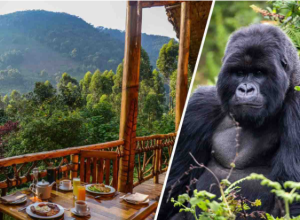
- Dry seasons (roughly June to September and December to February): Trails are firmer, wildlife gathers near water and game viewing is easier. These are the busiest months, so book early.
- Wet seasons (roughly March to May and October to November): Greener scenery, newborn animals, fewer visitors and sometimes lower rates, but muddier trails and some road delays.
If your itinerary includes the Great Migration in Kenya or Tanzania, check typical timing and book well ahead. Gorilla trekking runs year-round.
Fitness and Preparation
- Walk or hike regularly for several weeks before departure.
- Train with hills, stairs and light cardio to prepare for altitude and slopes.
- Break in waterproof hiking boots well before you travel.
- Hire a porter for treks to help on tough sections and support local families.
- Pace your itinerary, placing the trek early in the trip when you are fresh.
What to Pack
- Waterproof hiking boots with good grip
- Neutral-colored, lightweight long-sleeved shirts and long trousers
- A lightweight waterproof jacket and warm layers for cool mornings
- Gardening gloves and gaiters or long socks for forest treks
- A wide-brimmed hat, sunglasses, sunscreen and insect repellent
- Binoculars and a camera with a zoom lens, no flash
- A refillable water bottle, dry bags and a power bank
- Soft-sided luggage, which is easier on light aircraft
Permits, Costs and Booking
Gorilla trekking requires a permit, and the number issued each day is limited. Prices differ between countries and change over time, so confirm current fees with the national parks authority or your operator. Safari costs depend on park fees, accommodation level, transport and activities, with options from budget camping to luxury lodges.
Book six to twelve months ahead for peak seasons, particularly for gorilla permits and popular lodges. An experienced operator can secure permits, plan realistic travel times and tailor the itinerary to your budget and fitness.
Health and Safety
- Consult a travel health professional well before departure about vaccinations and malaria prevention.
- Choose travel insurance that covers medical care and evacuation.
- Check passport validity and visa requirements for each country.
- Follow guide instructions, stay in vehicles on game drives and keep a respectful distance from wildlife.
- Never trek with gorillas if you are unwell, since they are vulnerable to human diseases.
Responsible Travel
Both gorilla trekking and safaris support conservation when managed well. Park and permit fees fund ranger patrols, veterinary care and habitat protection, and revenue supports local schools and health projects. Choose operators and lodges that employ local people, reduce plastic and invest in communities. Hire local guides and porters, tip fairly, follow wildlife rules and buy crafts directly from artisans.
Key Takeaways
- Trekking gorillas and safaris together delivers forest primates and savanna big game in one trip.
- Uganda and Rwanda are the strongest destinations for combining both experiences.
- East African safaris in Kenya and Tanzania can be extended with a gorilla trek by short regional flights.
- Gorilla permits are limited and prices change, so confirm current rates and book early.
- Dry seasons make trekking and game viewing easier, while wet seasons offer green scenery and fewer visitors.
- Moderate fitness, waterproof boots and layered clothing are essential.
- Responsible travel supports conservation and local communities.
Conclusion
Trekking gorillas and safaris belong together. One brings you face to face with a gentle giant in a hushed, misty forest, and the other places you among elephants, lions and giraffes on sweeping plains. Combined, they create a journey with contrast, rhythm and depth that no single activity can match. Plan realistic distances, book permits early, pack for changing weather and travel with respect for wildlife and the communities who protect it. The result is a trip that is thrilling, restorative and meaningful long after you return home.
Frequently Asked Questions
- Can I combine gorilla trekking with a safari?
Yes. Uganda and Rwanda both offer gorillas and savanna wildlife in one country, and many travelers also pair gorillas with safaris in Kenya or Tanzania. - Which country is best for combining both?
Uganda offers the widest variety, while Rwanda offers shorter transfers and a compact itinerary. The best choice depends on your budget, time and interests. - How many days do I need?
Seven to ten days is a comfortable minimum for a combined trip. Shorter itineraries are possible in Rwanda, while multi-country trips need ten to fourteen days. - Should I trek gorillas before or after the safari?
Many travelers trek early, when they are fresh, since the hike is physically demanding. Others finish with gorillas as a highlight. Either works with sensible planning. - How fit do I need to be?
Moderate fitness is enough for most travelers. Gorilla treks involve steep, muddy terrain at altitude, while safaris are generally relaxed. - When is the best time to go?
June to September and December to February are drier and easier. Wet seasons are greener and quieter, with muddier trails. - What is the minimum age for gorilla trekking?
The minimum age is generally 15 years. Rangers may check ages at the briefing. - How far ahead should I book?
Six to twelve months ahead for peak seasons, especially for gorilla permits and popular lodges. - Is it safe?
Trips run smoothly when you use reputable operators and follow guide instructions. Check current government travel advice for each country. - How does my trip help conservation?
Permit and park fees fund ranger patrols, veterinary care and community projects. Choosing responsible operators and spending locally increases the benefit.
